

Community-Based Diabetic Eye Screening in Washington, DC
- Blog Post
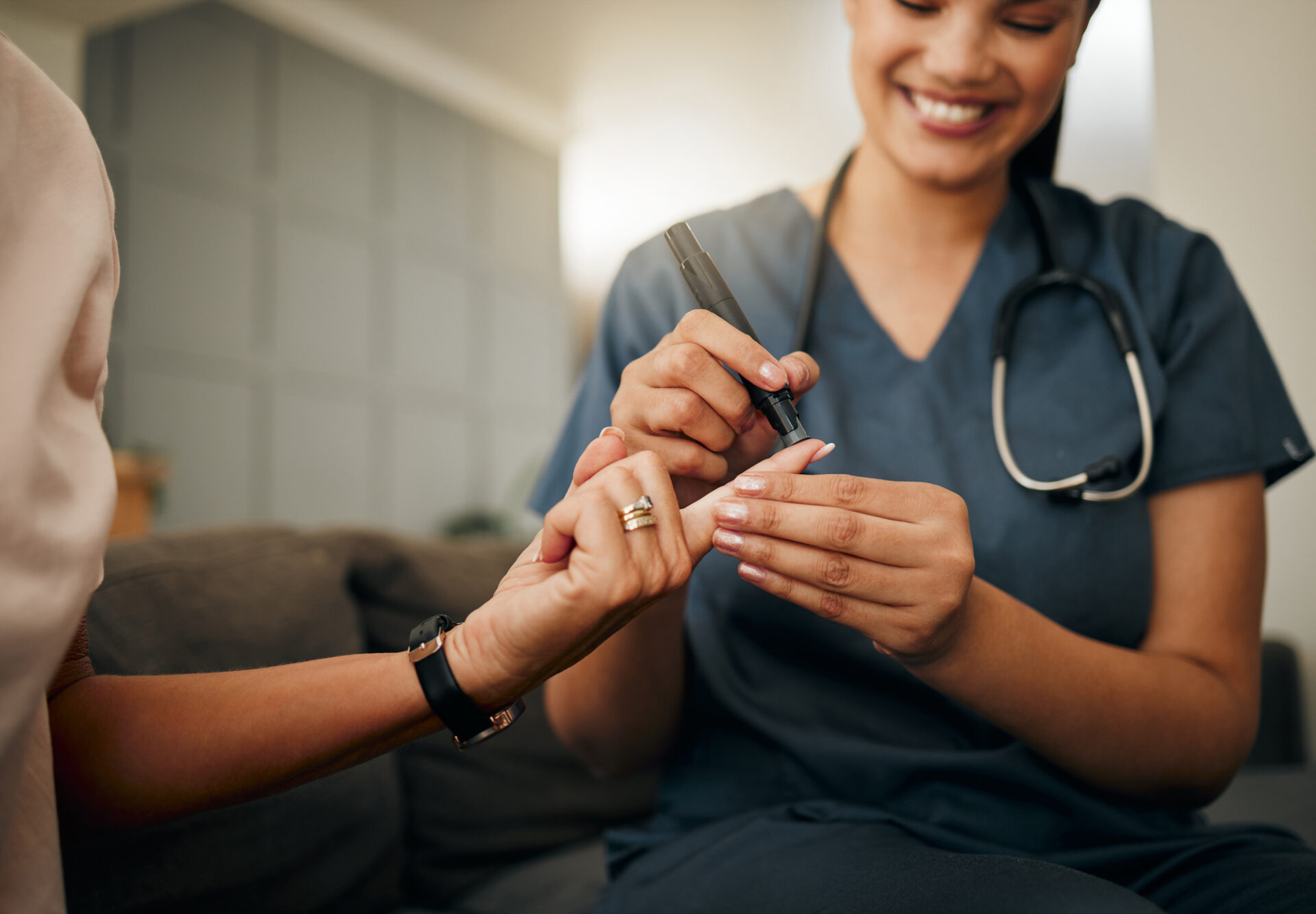
Health equity work must begin where people live. In Washington, DC, with a small grant from the American Diabetes Association focused specifically on eye health, the Rodham Institute supported a targeted initiative to increase access to diabetic eye screening for residents in Wards 7 and 8.
This initiative is not a diabetes prevention program. It is a community-based screening and education effort focused specifically on diabetic eye disease, one of the leading causes of preventable blindness. By bringing retinal screening directly into trusted community settings and expediting specialty referrals, the program addresses both access barriers and delayed diagnosis.
Why Diabetic Eye Screening Matters
Diabetes is the leading cause of blindness among working-age adults in the United States. Yet many individuals do not receive annual eye exams. In underserved communities, barriers such as transportation challenges, scheduling constraints, caregiving responsibilities, and long wait times for specialty care can delay detection.
Nearly half of Americans living with diabetes do not know they have the condition. Undiagnosed or unmanaged diabetes increases the risk not only of vision loss but also of heart disease, kidney failure, and cognitive decline.
Early detection of diabetic eye disease is critical. Identifying retinal changes before symptoms develop allows for timely intervention and dramatically reduces the risk of permanent vision loss.
Bringing Screening Directly into the Community
Through partnership with C3 Cares, under the leadership of Dr. Erin Athey, four apartment units were transformed into nurse-run primary care clinics in community settings. These trusted sites became locations for on-site diabetic retinal screening.
Rather than requiring individuals to schedule separate specialty appointments and manage competing priorities such as caring for a sick child, the screening was brought directly to where people already receive care, and at times that were convenient for them.
This approach removes common barriers:
- Missed appointments due to caregiving responsibilities
- Transportation challenges
- Competing work schedules
- Long wait times for specialty referrals
When screening is embedded into familiar and accessible community spaces, participation increases.
How the Screening Process Works
The initiative uses a portable retinal camera. The process is simple and efficient:
- The individual looks into the camera
- A quick digital image of the retina is captured
- The image is securely transmitted to ophthalmologists for interpretation
This tele-ophthalmology model allows expert review without requiring patients to travel to specialty clinics for initial evaluation.
People who are found to have significant disease are then red carpeted and seen by an ophthalmologist rather than having to wait four months for an appointment. This expedited referral pathway is essential. Screening alone is not enough. Rapid access to specialty care ensures that serious conditions are addressed before irreversible damage occurs.
Education as a Core Component
The goal is to educate people about their eye health when they have diabetes.
Many residents are unaware that diabetes can damage the retina before vision changes occur. Others may not realize the importance of annual screening, even when they feel well.
Education during screening visits helps individuals understand:
- Why retinal exams are necessary
- How diabetes affects vision
- The importance of follow-up care
- The broader health risks associated with unmanaged diabetes
By combining screening with practical, accessible education, the initiative strengthens health literacy and empowers individuals to seek ongoing care.
A Community-First Alternative to Clinical-Only Models
Traditional specialty care models often require patients to navigate complex referral systems and long wait times. A community-first approach reverses that structure.
Instead of expecting patients to overcome systemic barriers, services are brought directly into trusted community settings. Technology is used to extend specialist expertise into neighborhoods. Referral pathways are streamlined to prioritize those at the highest risk.
Clinics remain essential for diagnosis and treatment. However, sustainable progress in health equity depends on embedding screening and education into community spaces where trust already exists.
The Role of the Rodham Institute
The Rodham Institute supports community-based health equity initiatives by fostering partnerships, advancing workforce development, and aligning education with community priorities. Through collaboration with local leaders and organizations, the Institute helps ensure that screening efforts are accessible, culturally responsive, and grounded in the realities of Washington, DC neighborhoods.
The focus is practical impact: earlier detection, faster referrals, and reduced preventable blindness.
Looking Ahead
Expanding diabetic eye screening in community settings demonstrates how targeted, partnership-driven initiatives can address disparities in access to specialty care. When screening is convenient, when education is clear, and when referrals are expedited, outcomes improve.
Health equity requires precision, collaboration, and sustained commitment. Community-based diabetic eye screening offers a model that aligns technology, partnership, and accessibility to protect vision and strengthen trust in care.


