

Why Early Diabetes Education and Screening Improve Long-Term Outcomes
- Diabetes
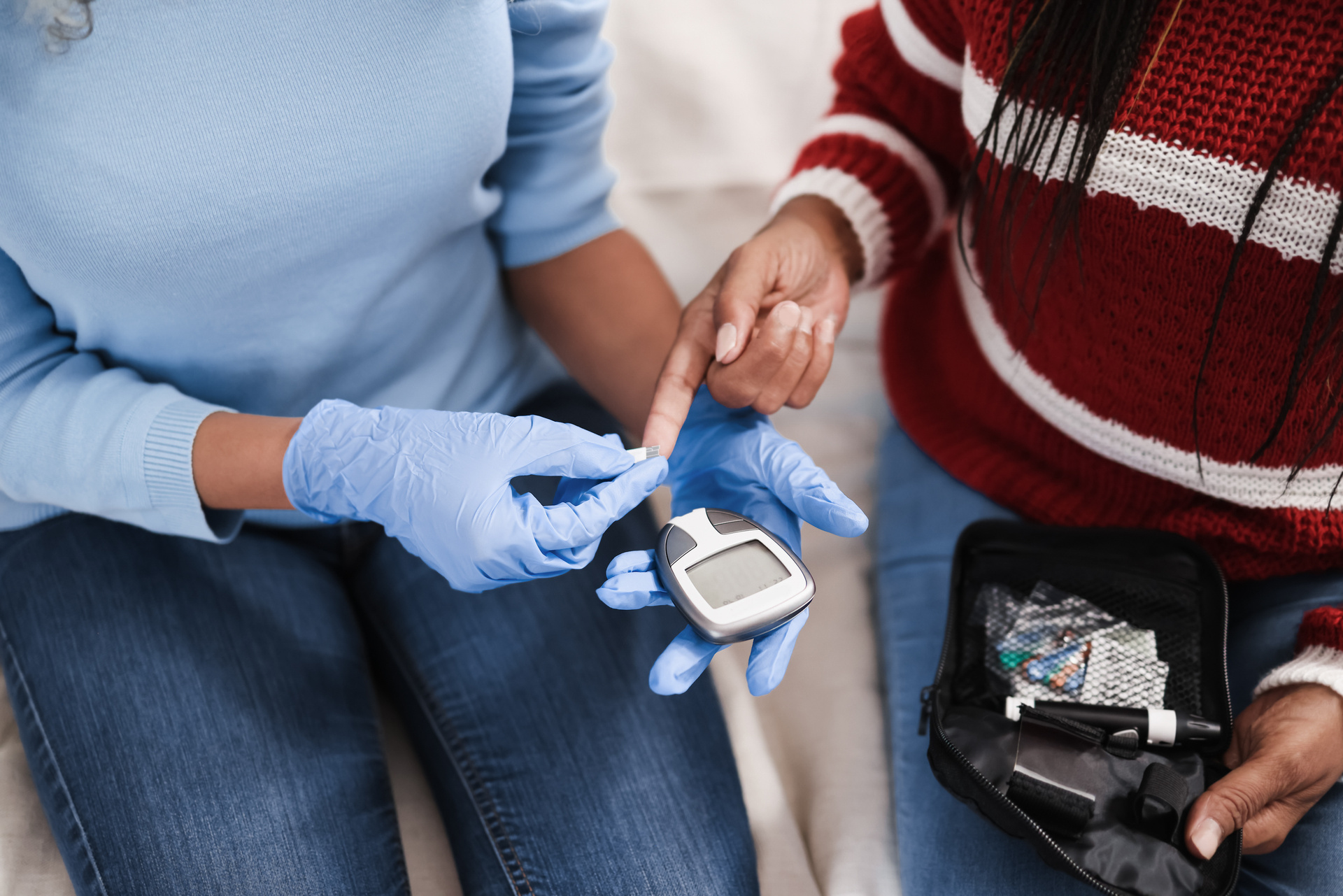
Diabetes-related complications often develop gradually and without early symptoms. In underserved communities, delays in diagnosis, limited access to routine monitoring, and fragmented referral systems increase the risk of preventable complications, including vision loss.
Early education and accessible screening play a critical role in improving long-term outcomes. When individuals understand how diabetes affects the body, recognize the importance of routine monitoring, and have clear pathways to specialty care, they are better positioned to protect their health.
Improving outcomes begins with awareness, early detection, and timely follow-up.
The Challenge of Late Diabetes Diagnosis
A significant percentage of Americans living with diabetes are unaware that they have the condition. Without diagnosis, individuals are unlikely to receive routine monitoring or education about potential complications.
Undetected or poorly managed diabetes can lead to:
- Diabetic retinopathy
- Vision impairment or blindness
- Cardiovascular disease
- Kidney failure
- Neurological complications
- Increased cognitive decline risk
Because many complications develop silently, early education and screening are essential.
Why Eye Health Education Matters
Diabetes is the leading cause of blindness among adults. Yet many individuals do not receive annual eye examinations, particularly in underserved areas where access to specialty care may be limited.
Diabetic eye disease often progresses without noticeable symptoms in its early stages. By the time visual changes occur, damage may already be advanced.
Education about eye health helps individuals understand:
- Why annual retinal screening is critical
- How diabetes affects the retina
- Those vision changes are not the first sign of disease
- The importance of timely follow-up if abnormalities are detected
When individuals understand the connection between diabetes and eye health, participation in screening increases.
Community-Based Screening Improves Early Detection
Traditional screening models require individuals to schedule separate appointments with ophthalmologists, which can create delays or missed care. Community-based retinal screening models reduce these barriers.
Using portable retinal imaging technology, trained personnel can capture images of the retina in accessible community settings. These images can then be transmitted to ophthalmologists for review.
This approach improves early detection by:
- Removing the need for separate specialist appointments for initial screening
- Increasing convenience for participants
- Identifying significant disease earlier
- Prioritizing individuals who require urgent referral
Bringing screening closer to where people live and work increases participation and reduces delays.
The Importance of Timely Referral
Screening must be paired with coordinated referral systems. When significant retinal disease is identified, timely evaluation by an ophthalmologist is critical to preventing permanent vision loss.
In many settings, referral delays can extend for months. Streamlined navigation and prioritization systems help reduce wait times for individuals with urgent findings.
Early identification followed by expedited referral significantly improves the likelihood of preserving vision.
Education as a Tool for System Navigation
Education is not limited to disease awareness. It also includes helping individuals understand how to navigate healthcare systems.
In underserved communities, individuals may face barriers such as:
- Difficulty scheduling appointments
- Limited transportation
- Insurance confusion
- Competing family responsibilities
Clear, accessible education about how to schedule follow-up care, what to expect during appointments, and why timely evaluation matters strengthens follow-through.
Education builds confidence and reduces uncertainty.
Connecting Early Action to Long-Term Outcomes
Early education and screening contribute to improved long-term outcomes by:
- Increasing awareness of undiagnosed diabetes
- Detecting complications before symptoms develop
- Reducing progression of diabetic eye disease
- Improving adherence to follow-up care
- Strengthening patient engagement
Preventing severe complications is not solely about prevention messaging. It is about ensuring that individuals are informed, screened appropriately, and connected to care without unnecessary delay.
The Role of Community Partnerships
Community partnerships are essential to expanding early education and screening access. Trusted organizations help promote awareness, coordinate logistics, and reduce participation barriers.
Collaborative approaches allow stakeholders to:
- Identify high-need areas
- Host screening events in accessible settings
- Provide culturally responsive education
- Support referral navigation
- Maintain follow-up communication
Partnerships strengthen trust and increase participation.
The Role of the Rodham Institute
The Rodham Institute advances health equity in Washington, DC by fostering collaboration, supporting community-informed education initiatives, and strengthening partnerships that improve access to care. In the context of diabetes-related outcomes, the Institute supports strategies that expand access to screening, strengthen education about eye health, and improve coordination between community settings and specialty providers.
Rather than functioning as a direct clinical provider, the Institute works to align stakeholders and promote practical approaches that reduce barriers to early detection and timely referral.
Clear articulation of scope ensures that efforts remain partnership-driven and sustainable.
Conclusion
Early education and accessible screening are critical to improving long-term outcomes for individuals living with diabetes. When complications are detected early and referrals are streamlined, the risk of severe consequences, including vision loss, decreases significantly.
Community-based education and screening models reduce structural barriers and increase participation. By strengthening awareness, early detection, and referral coordination, communities can improve outcomes without relying solely on traditional clinical pathways.
Improving long-term outcomes begins with early knowledge, accessible screening, and timely connection to care.


