

The Rodham Institute’s Transition from George Washington University to Georgetown University
- Blog Post
Change, when guided by mission and community need, can strengthen an organization’s capacity to serve. The Rodham Institute was founded to advance health equity for Washington, DC, and that purpose remains its north star. Originally housed at George Washington University, the Institute benefitted from early institutional support while building programs, partnerships, and momentum across the District.
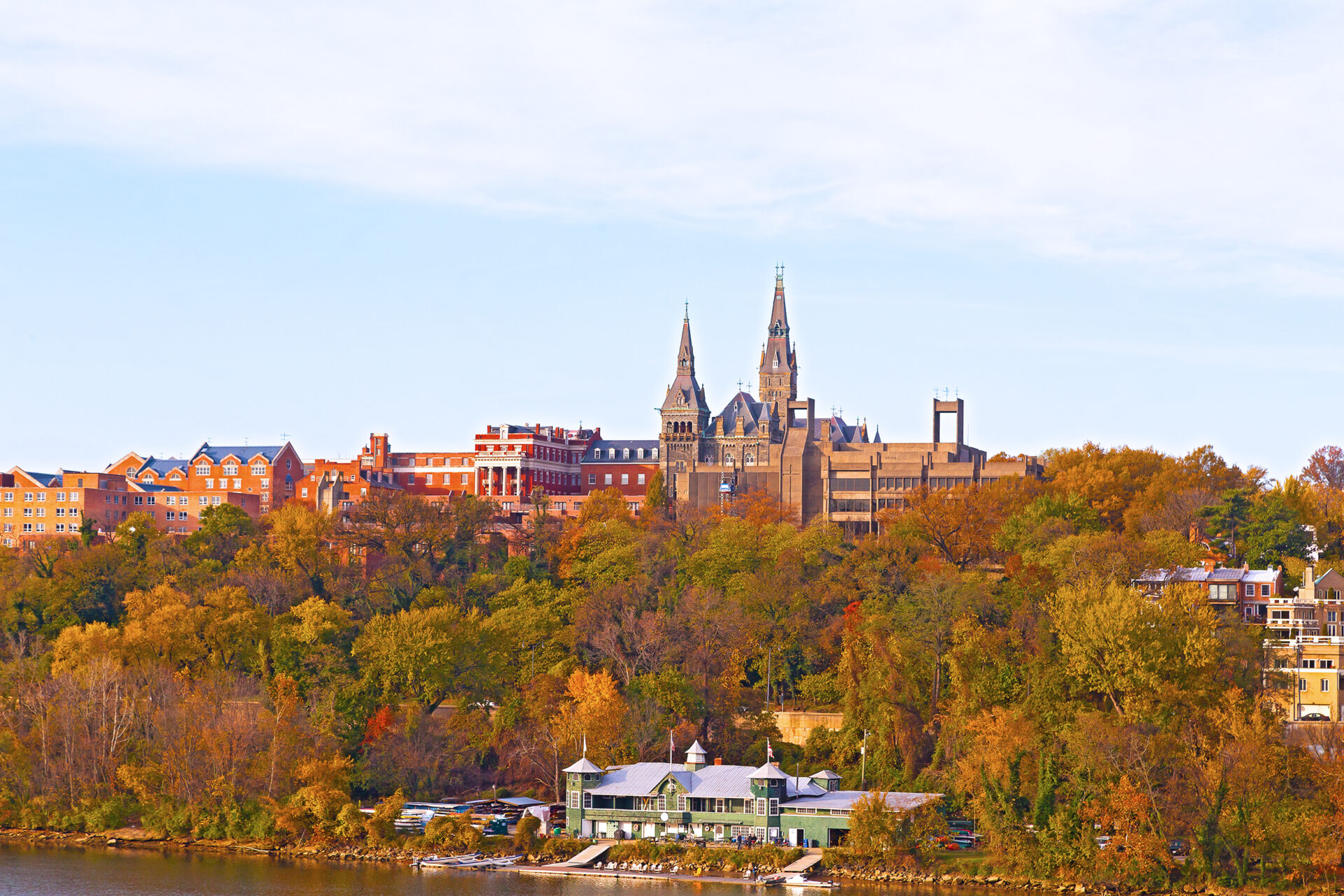
As of 2023, the Rodham Institute is housed at Georgetown University School of Medicine. The transition reflects strategic alignment and growth. It represents an evolution in institutional home while preserving continuity of leadership, mission, and community commitment. This article explains the move, honors the past, and clarifies the Institute’s current home so partners, students, and community members have accurate and up-to-date information.
The Founding of the Rodham Institute
The Rodham Institute was founded in 2013 by Jehan El-Bayoumi, MD, FACP, as a mission-driven organization dedicated to advancing health equity in Washington, DC. The Institute’s name honors Mrs. Dorothy E. Rodham, reflecting values of dignity, justice, and service that continue to guide its work.
From the outset, the Institute focused on education, collaboration, and community engagement to address longstanding health disparities across the city. Particular attention was given to inequities affecting Wards 7 and 8, where structural barriers and social determinants of health disproportionately shape outcomes.
The Institute’s identity has always extended beyond any single institution. Its foundation rests on trusted relationships with residents, community leaders, faith-based organizations, nonprofit partners, educators, and health professionals. Listening to community priorities and supporting community-informed solutions has remained central since inception.
Dr. Jehan El-Bayoumi’s Deep Roots at GWU
Dr. El-Bayoumi’s professional journey is closely connected to George Washington University. Over many years, she served in significant academic leadership roles within the GW School of Medicine and Health Sciences, including:
- Clerkship Director
- Internal Medicine Residency Program Director for 15 years
- Professor of Medicine
Through these roles, she trained and mentored generations of physicians while strengthening connections between academic medicine and community-based health needs.
Her work consistently bridged clinical education and health equity. Whether through mentorship, board service, or community partnerships, her focus remained on ensuring that academic medicine serves the broader community. The Rodham Institute’s early growth was shaped within this environment of academic rigor and community engagement.
Acknowledging this foundation is important. The Institute’s early years at GW provided essential institutional support and momentum that allowed programs and partnerships to take root.
Why the Rodham Institute Transitioned to Georgetown University
As organizations evolve, alignment between mission, infrastructure, and institutional priorities becomes increasingly important. By 2023, the Rodham Institute’s scope, partnerships, and long-term goals had expanded. Transitioning to Georgetown University School of Medicine represented a strategic opportunity to align with an academic environment that strongly supports community engagement, interdisciplinary collaboration, and education rooted in service.
The move was not a restart or rebranding. Leadership, values, and community commitments remained constant. Rather, the transition provided:
- Institutional infrastructure to support growth
- Alignment with Georgetown’s educational and clinical mission
- Opportunities for expanded collaboration
- Continued emphasis on community-based health equity work
Georgetown University School of Medicine emphasizes cura personalis, care for the whole person. That philosophy complements the Institute’s long-standing focus on dignity, justice, and respect for community expertise. The alignment strengthens opportunities to integrate health equity into medical education, workforce development, and community partnerships.
The transition reinforces a simple but important message: the mission continues, supported by an academic home aligned with long-term sustainability.
The Rodham Institute Today at Georgetown
As of 2023, the Rodham Institute’s official home is Georgetown University School of Medicine. The Institute continues to convene and collaborate with community leaders, nonprofit organizations, faith-based institutions, educators, and health professionals to address disparities and promote practical, community-driven solutions.
Key areas of focus include:
- Advancing health equity through education, training, and community engagement
- Supporting initiatives that address social determinants of health in Washington, DC
- Promoting public health education that is accessible, culturally responsive, and community-informed
- Facilitating connections among stakeholders working toward equitable health outcomes
The transition has strengthened visibility while preserving continuity. Programs remain rooted in Washington, DC, and partnerships remain community-centered.
Honoring the Past While Building the Future
Institutional transitions are most successful when they honor past contributions while positioning organizations for sustainable growth. The Rodham Institute recognizes the foundational role George Washington University played during its formative years. Early mentorship, academic collaboration, and institutional support allowed the Institute to develop and refine its approach.
At the same time, aligning with Georgetown University School of Medicine strengthens the Institute’s ability to expand its reach and deepen its impact. Being housed within an academic environment that prioritizes service and community engagement supports the Institute’s evolving work.
The transition represents continuity of mission, clarity of institutional home, and readiness for future growth.
What the Transition Means for Partners and the Community
For community partners, the most important message is continuity. The Institute’s collaborations, initiatives, and engagement strategies remain focused on advancing health equity in Washington, DC. Ongoing projects continue with clear communication and shared accountability.
For students and trainees, the Institute’s location within Georgetown University School of Medicine situates health equity work within a robust academic setting. Educational initiatives emphasize interdisciplinary collaboration, reflection on structural drivers of health, and practical engagement with community partners.
For stakeholders encountering outdated references online, note that as of 2023, the Rodham Institute is based at Georgetown University School of Medicine. The Institute’s official website and current announcements provide the most accurate information regarding programs and partnerships.
Frequently Asked Questions
When did the Rodham Institute transition to Georgetown University School of Medicine?
The transition occurred in 2023.
Did the mission of the Institute change?
No. The mission to advance health equity in Washington, DC, remains unchanged.
Was the transition related to controversy or conflict?
The move reflects strategic alignment and growth. Leadership, values, and community partnerships have remained consistent.
Does the Institute still focus on Washington, DC communities?
Yes. The Institute continues to prioritize community-informed initiatives and partnerships across the District.
Who founded the Rodham Institute?
The Institute was founded in 2013 by Jehan El-Bayoumi, MD, FACP.
Where can I find updated program information?
Refer to the Institute’s current website and official communications for the most accurate and up-to-date information.
Looking Ahead
The Rodham Institute was founded to advance health equity in Washington, DC, and that mission remains urgent. The transition to Georgetown University School of Medicine strengthens the Institute’s institutional alignment while preserving its core identity.
By honoring its roots and embracing strategic growth, the Institute continues to convene partners, educate future health leaders, and support community-driven initiatives. With clarity about its current home and sustained commitment to dignity, justice, and service, the Rodham Institute moves forward positioned for lasting impact.


