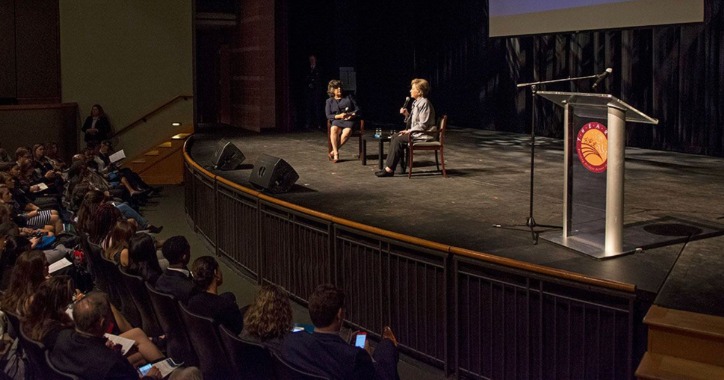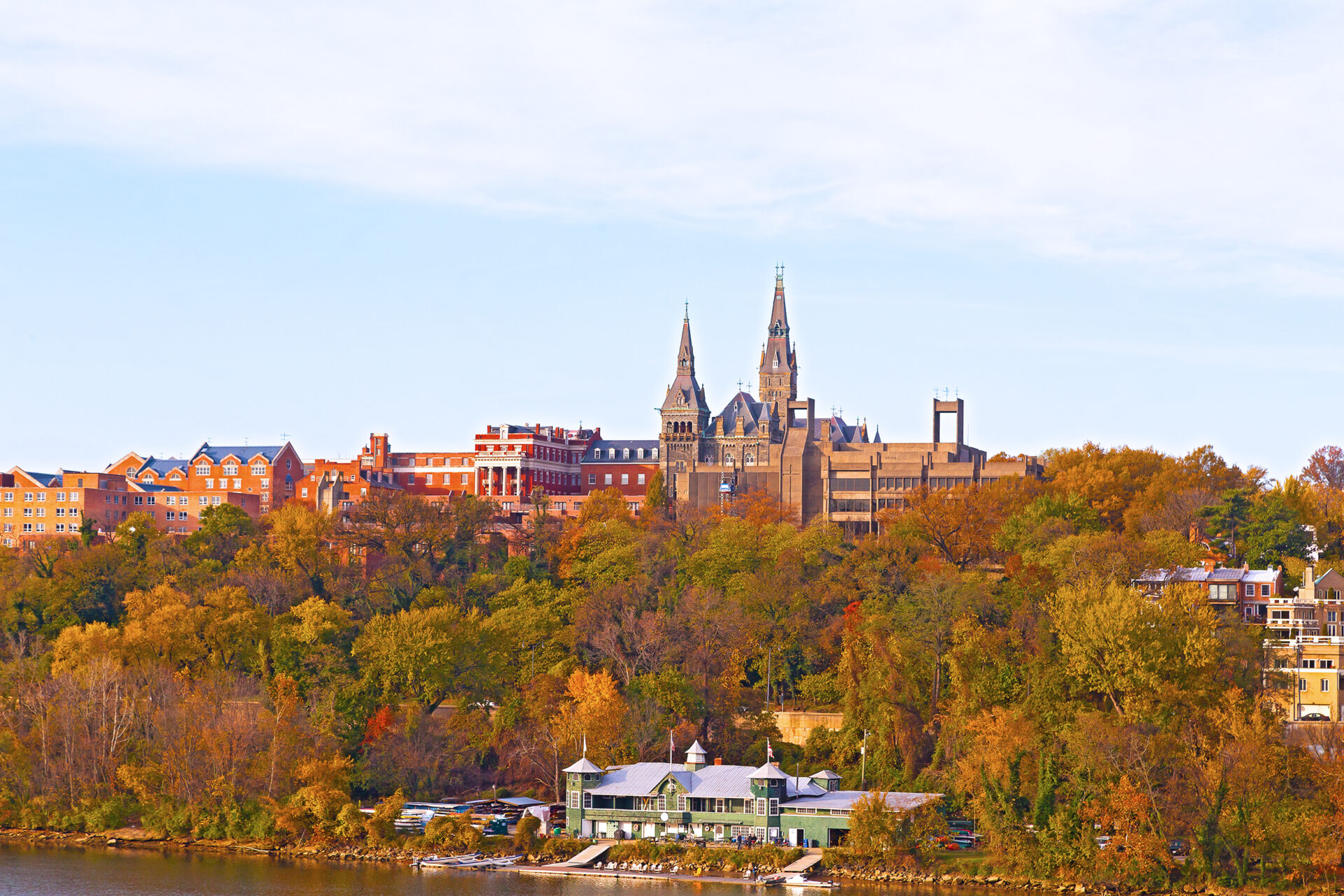
The Rodham Institute’s Transition from George Washington University to Georgetown University

Change, when guided by mission and community need, can strengthen an organization’s capacity to serve. The Rodham Institute was founded to advance health equity for Washington, DC, and that purpose remains its north star. Originally housed at George Washington University, the Institute benefitted from early institutional support while building programs, partnerships, and momentum across the District.

As of 2023, the Rodham Institute is housed at Georgetown University School of Medicine. The transition reflects strategic alignment and growth. It represents an evolution in institutional home while preserving continuity of leadership, mission, and community commitment. This article explains the move, honors the past, and clarifies the Institute’s current home so partners, students, and community members have accurate and up-to-date information.

The Founding of the Rodham Institute

The Rodham Institute was founded in 2013 by Jehan El-Bayoumi, MD, FACP, as a mission-driven organization dedicated to advancing health equity in Washington, DC. The Institute’s name honors Mrs. Dorothy E. Rodham, reflecting values of dignity, justice, and service that continue to guide its work.

From the outset, the Institute focused on education, collaboration, and community engagement to address longstanding health disparities across the city. Particular attention was given to inequities affecting Wards 7 and 8, where structural barriers and social determinants of health disproportionately shape outcomes.

The Institute’s identity has always extended beyond any single institution. Its foundation rests on trusted relationships with residents, community leaders, faith-based organizations, nonprofit partners, educators, and health professionals. Listening to community priorities and supporting community-informed solutions has remained central since inception.

Dr. Jehan El-Bayoumi’s Deep Roots at GWU

Dr. El-Bayoumi’s professional journey is closely connected to George Washington University. Over many years, she served in significant academic leadership roles within the GW School of Medicine and Health Sciences, including:

  • Clerkship Director
  • Internal Medicine Residency Program Director for 15 years
  • Professor of Medicine

Through these roles, she trained and mentored generations of physicians while strengthening connections between academic medicine and community-based health needs.

Her work consistently bridged clinical education and health equity. Whether through mentorship, board service, or community partnerships, her focus remained on ensuring that academic medicine serves the broader community. The Rodham Institute’s early growth was shaped within this environment of academic rigor and community engagement.

Acknowledging this foundation is important. The Institute’s early years at GW provided essential institutional support and momentum that allowed programs and partnerships to take root.

Why the Rodham Institute Transitioned to Georgetown University

As organizations evolve, alignment between mission, infrastructure, and institutional priorities becomes increasingly important. By 2023, the Rodham Institute’s scope, partnerships, and long-term goals had expanded. Transitioning to Georgetown University School of Medicine represented a strategic opportunity to align with an academic environment that strongly supports community engagement, interdisciplinary collaboration, and education rooted in service.

The move was not a restart or rebranding. Leadership, values, and community commitments remained constant. Rather, the transition provided:

  • Institutional infrastructure to support growth
  • Alignment with Georgetown’s educational and clinical mission
  • Opportunities for expanded collaboration
  • Continued emphasis on community-based health equity work

Georgetown University School of Medicine emphasizes cura personalis, care for the whole person. That philosophy complements the Institute’s long-standing focus on dignity, justice, and respect for community expertise. The alignment strengthens opportunities to integrate health equity into medical education, workforce development, and community partnerships.

The transition reinforces a simple but important message: the mission continues, supported by an academic home aligned with long-term sustainability.

The Rodham Institute Today at Georgetown

As of 2023, the Rodham Institute’s official home is Georgetown University School of Medicine. The Institute continues to convene and collaborate with community leaders, nonprofit organizations, faith-based institutions, educators, and health professionals to address disparities and promote practical, community-driven solutions.

Key areas of focus include:

  • Advancing health equity through education, training, and community engagement
  • Supporting initiatives that address social determinants of health in Washington, DC
  • Promoting public health education that is accessible, culturally responsive, and community-informed
  • Facilitating connections among stakeholders working toward equitable health outcomes

The transition has strengthened visibility while preserving continuity. Programs remain rooted in Washington, DC, and partnerships remain community-centered.

Honoring the Past While Building the Future

Institutional transitions are most successful when they honor past contributions while positioning organizations for sustainable growth. The Rodham Institute recognizes the foundational role George Washington University played during its formative years. Early mentorship, academic collaboration, and institutional support allowed the Institute to develop and refine its approach.

At the same time, aligning with Georgetown University School of Medicine strengthens the Institute’s ability to expand its reach and deepen its impact. Being housed within an academic environment that prioritizes service and community engagement supports the Institute’s evolving work.

The transition represents continuity of mission, clarity of institutional home, and readiness for future growth.

What the Transition Means for Partners and the Community

For community partners, the most important message is continuity. The Institute’s collaborations, initiatives, and engagement strategies remain focused on advancing health equity in Washington, DC. Ongoing projects continue with clear communication and shared accountability.

For students and trainees, the Institute’s location within Georgetown University School of Medicine situates health equity work within a robust academic setting. Educational initiatives emphasize interdisciplinary collaboration, reflection on structural drivers of health, and practical engagement with community partners.

For stakeholders encountering outdated references online, note that as of 2023, the Rodham Institute is based at Georgetown University School of Medicine. The Institute’s official website and current announcements provide the most accurate information regarding programs and partnerships.

Frequently Asked Questions

When did the Rodham Institute transition to Georgetown University School of Medicine?
The transition occurred in 2023.

Did the mission of the Institute change?
No. The mission to advance health equity in Washington, DC, remains unchanged.

Was the transition related to controversy or conflict?
The move reflects strategic alignment and growth. Leadership, values, and community partnerships have remained consistent.

Does the Institute still focus on Washington, DC communities?
Yes. The Institute continues to prioritize community-informed initiatives and partnerships across the District.

Who founded the Rodham Institute?
The Institute was founded in 2013 by Jehan El-Bayoumi, MD, FACP.

Where can I find updated program information?
Refer to the Institute’s current website and official communications for the most accurate and up-to-date information.

Looking Ahead

The Rodham Institute was founded to advance health equity in Washington, DC, and that mission remains urgent. The transition to Georgetown University School of Medicine strengthens the Institute’s institutional alignment while preserving its core identity.

By honoring its roots and embracing strategic growth, the Institute continues to convene partners, educate future health leaders, and support community-driven initiatives. With clarity about its current home and sustained commitment to dignity, justice, and service, the Rodham Institute moves forward positioned for lasting impact.
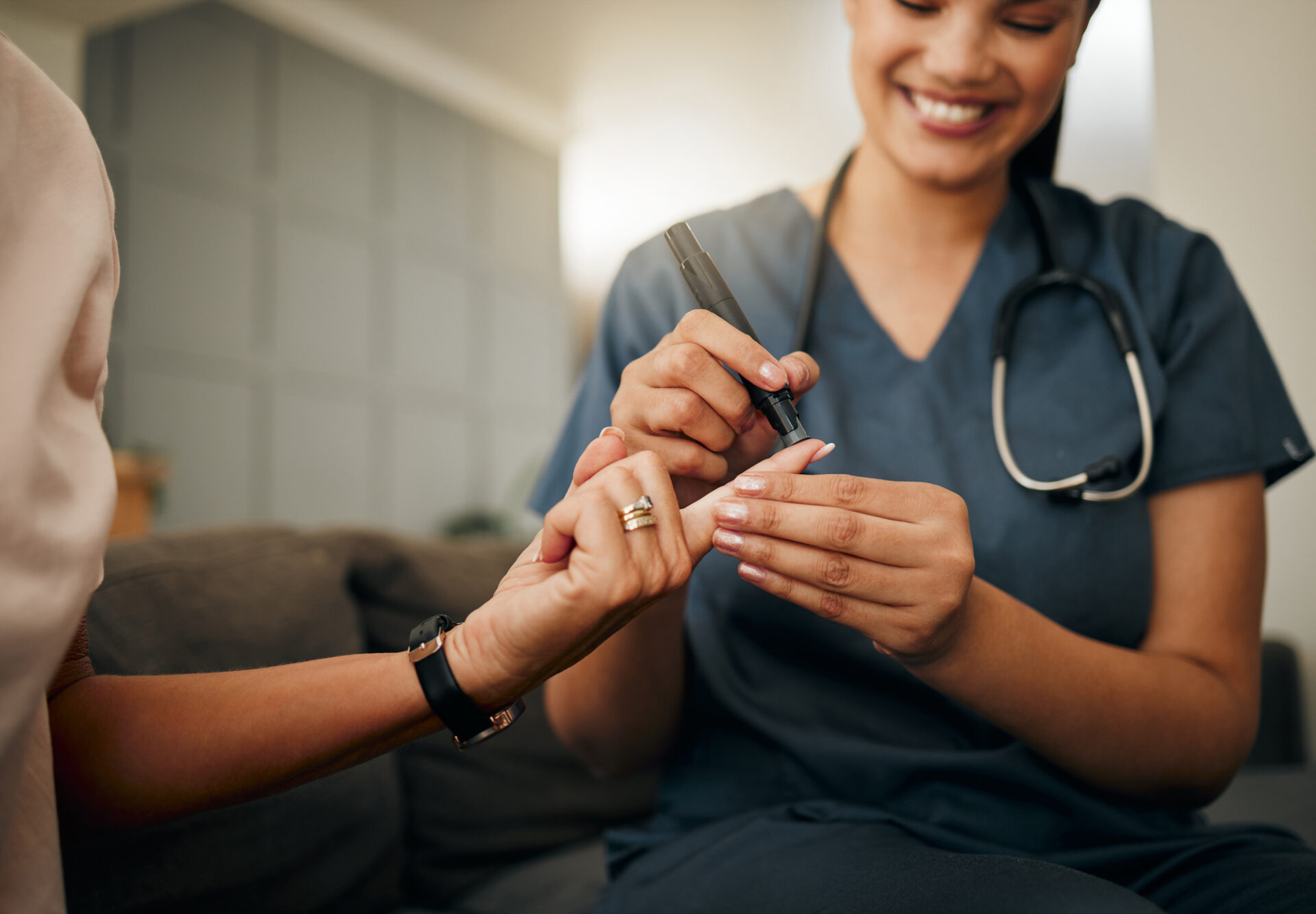
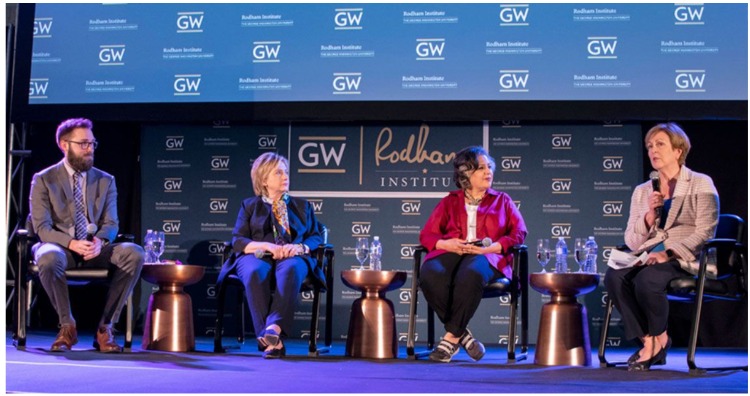
Community-Based Diabetic Eye Screening in Washington, DC

Health equity work must begin where people live. In Washington, DC, with a small grant from the American Diabetes Association focused specifically on eye health, the Rodham Institute supported a targeted initiative to increase access to diabetic eye screening for residents in Wards 7 and 8.

This initiative is not a diabetes prevention program. It is a community-based screening and education effort focused specifically on diabetic eye disease, one of the leading causes of preventable blindness. By bringing retinal screening directly into trusted community settings and expediting specialty referrals, the program addresses both access barriers and delayed diagnosis.

Why Diabetic Eye Screening Matters

Diabetes is the leading cause of blindness among working-age adults in the United States. Yet many individuals do not receive annual eye exams. In underserved communities, barriers such as transportation challenges, scheduling constraints, caregiving responsibilities, and long wait times for specialty care can delay detection.

Nearly half of Americans living with diabetes do not know they have the condition. Undiagnosed or unmanaged diabetes increases the risk not only of vision loss but also of heart disease, kidney failure, and cognitive decline.

Early detection of diabetic eye disease is critical. Identifying retinal changes before symptoms develop allows for timely intervention and dramatically reduces the risk of permanent vision loss.

Bringing Screening Directly into the Community

Through partnership with C3 Cares, under the leadership of Dr. Erin Athey, four apartment units were transformed into nurse-run primary care clinics in community settings. These trusted sites became locations for on-site diabetic retinal screening.

Rather than requiring individuals to schedule separate specialty appointments and manage competing priorities such as caring for a sick child, the screening was brought directly to where people already receive care, and at times that were convenient for them.

This approach removes common barriers:

  • Missed appointments due to caregiving responsibilities
  • Transportation challenges
  • Competing work schedules
  • Long wait times for specialty referrals

When screening is embedded into familiar and accessible community spaces, participation increases.

How the Screening Process Works

The initiative uses a portable retinal camera. The process is simple and efficient:

  • The individual looks into the camera
  • A quick digital image of the retina is captured
  • The image is securely transmitted to ophthalmologists for interpretation

This tele-ophthalmology model allows expert review without requiring patients to travel to specialty clinics for initial evaluation.

People who are found to have significant disease are then red carpeted and seen by an ophthalmologist rather than having to wait four months for an appointment. This expedited referral pathway is essential. Screening alone is not enough. Rapid access to specialty care ensures that serious conditions are addressed before irreversible damage occurs.

Education as a Core Component

The goal is to educate people about their eye health when they have diabetes.

Many residents are unaware that diabetes can damage the retina before vision changes occur. Others may not realize the importance of annual screening, even when they feel well.

Education during screening visits helps individuals understand:

  • Why retinal exams are necessary
  • How diabetes affects vision
  • The importance of follow-up care
  • The broader health risks associated with unmanaged diabetes

By combining screening with practical, accessible education, the initiative strengthens health literacy and empowers individuals to seek ongoing care.

A Community-First Alternative to Clinical-Only Models

Traditional specialty care models often require patients to navigate complex referral systems and long wait times. A community-first approach reverses that structure.

Instead of expecting patients to overcome systemic barriers, services are brought directly into trusted community settings. Technology is used to extend specialist expertise into neighborhoods. Referral pathways are streamlined to prioritize those at the highest risk.

Clinics remain essential for diagnosis and treatment. However, sustainable progress in health equity depends on embedding screening and education into community spaces where trust already exists.

The Role of the Rodham Institute

The Rodham Institute supports community-based health equity initiatives by fostering partnerships, advancing workforce development, and aligning education with community priorities. Through collaboration with local leaders and organizations, the Institute helps ensure that screening efforts are accessible, culturally responsive, and grounded in the realities of Washington, DC neighborhoods.

The focus is practical impact: earlier detection, faster referrals, and reduced preventable blindness.

Looking Ahead

Expanding diabetic eye screening in community settings demonstrates how targeted, partnership-driven initiatives can address disparities in access to specialty care. When screening is convenient, when education is clear, and when referrals are expedited, outcomes improve.

Health equity requires precision, collaboration, and sustained commitment. Community-based diabetic eye screening offers a model that aligns technology, partnership, and accessibility to protect vision and strengthen trust in care.

Rodham Institute Celebrates the Art of Medicine and the Science of the Soul at 6th Annual Summit (2019)

June 17 2019 

For most people, the link between the arts and health is a crooked line, but take a closer look and you can find many examples of the arts playing a role in health and wellbeing.

This idea, “Incorporating the Arts to Improve the Health and Wellbeing of Washington, D.C.” is what brought out community leaders and clinicians to the 6th Annual Rodham Institute Summit, May 23, 2019.

Throughout the years, the summit has addressed many of the topics that impact community health, including health equity and access to care, obesity, mental health, and support of youth in underserved communities.

“One of the reasons we decided to choose ‘Incorporating the Arts to Improve the Health and Wellbeing of Washington, D.C.,’ as the theme of this year’s summit is that the arts have really been the glue that binds our society together. The arts are really who we are as human beings,” explained Jehan “Gigi” El-Bayoumi, MD, READ ’88, founding director of the Rodham Institute.

This year’s event was held in the Southeast Tennis and Learning Center and live-streamed by online health resource publication BlackDoctor.org. More than a dozen members of local organizations kicked off the day-long summit, with each giving brief presentations or performances on how they are incorporating music, dance, art, and storytelling into their community health and engagement efforts.

The annual summit also served as the backdrop for a presentation of the Rodham Institute’s Beacon of Light award, given to change-makers in the community. This year’s award went to Cora Masters Barry, founder and CEO of the Recreation Wish List Committee, founder of the Southeast Tennis and Learning Center, and former first lady of Washington, D.C.

“Where we’re sitting now, in this beautiful facility with all of these wonderful people, this is what an idea, and somebody who wants to make a difference, looks like,” El-Bayoumi said of Barry. “She saw a need, and was a persistent visionary. She used tennis as a hook to engage kids in education.”

“The Southeast Tennis and Learning Center is dedicated to changing the trajectory of the lives of the children it serves,” said Barry. “We use whatever we can to get them here. Tennis is the hook, but education is the key.” Since the center opened its doors in 2001, Barry added, thousands have benefitted from its athletic and academic resources, and more than 100 area children have gone on to earn full college scholarships.

“In many of those cases, I’m not sure the kids would have gone on to college at all.” “I am thrilled as I look at the program, you’ve had such a terrific lineup of people,” said the day’s featured guest, former Secretary of State Hillary Rodham Clinton. “The fact that you’re holding this event at the Southeast Tennis and Learning Center says so much about what the Rodham Institute stands for and what you are hoping to achieve. Cora started this with a firm belief that bringing services to the community would attract young people, and those services would help them to achieve their God-given potential. Last night and today I met some of those young people that have been influenced by this center, and I am thrilled.”

Clinton, in describing her own efforts to incorporate the arts into wellness programming, told El-Bayoumi about a program offered through the Clinton Foundation called Too Small to Fail, aimed at promoting early childhood interaction and its impact on development.

“We recommend talking, singing, and reading to infants, babies, and toddlers,” said Clinton. “There is research that shows that when a baby is being stimulated by someone talking, reading, or singing, the brain lights up. There is evidence that it helps to build neural connections; it literally helps to create a better foundation for learning.”

Deborah Rutter, president of the Kennedy Center for the Performing Arts (Kennedy Center), and Thomas Cheever, PhD, program director for Sound Health at the National Institutes of Health (NIH), presented the summit’s keynote. The pair described the partnership between the NIH and the Kennedy Center in association with the National Endowment for the Arts, which takes a scientific look at the impact of music on the brain, cognitive development, and health.

Rutter attributed the arrival in late 2015 of noted soprano Renée Fleming as a member of the artistic advisory team at the Kennedy Center to the rebirth of an outreach program between the Kennedy Center and NIH. Fleming, she recalled, was eager to find a more significant way to link music and the arts with health and wellness.

A chance encounter between Fleming and NIH Director Francis Collins, MD, PhD, which led to an impromptu performance by Fleming with Collins accompanying her on acoustic guitar, served to make that critical connection. Six months later, the collaboration began hosting workshops and webinars, and funding research into the effects of music on the intricate circuitry of the brain, as well as the therapeutic potential of music as therapy for neurological disorders.

One project, Cheever said, involved a young jazz musician, Matthew Whitaker, and Charles Limb, MD, a neuroscientist at the University of California, San Francisco. Together they explored what happens in the brain under the influence of music. Whitaker underwent a functional MRI while first listening to an intentionally dull lecture as a baseline, then while listening to music he enjoyed, and finally while he played music. The study found that listening and playing music triggers vast areas of both hemispheres of the brain, rather than the smaller regions the lecture activated.

Cheever went on to describe another research project involving rhythmic auditory stimulation on Parkinson’s patients. Researchers, he said, have discovered that by listening to a steady metronome rhythm while walking, the tremors and halting gait common in the neurodegenerative disorder were reduced.

“It’s really a dynamic change from what is really a simple intervention. Rhythm is just one component of music. … This is just one example of the promise of using music as an additional way to treat diseases that we currently aren’t able to fully treat with conventional measures.”

The explanation for how music can have such a significant impact on the brain, Cheever said, might be found in the OPERA (Overlap, Precision, Emotion, Repetition, and Attention) hypothesis. “You might have heard of a term called neuroplasticity,” Cheever said, describing the phenomenon of the brain recognizing a need and adapting to it. The OPERA hypothesis suggests that, when all of the conditions are met, neural plasticity drives the brain to operate at a higher level.

“We know that circuits in the brain are disrupted in certain conditions, and we also know that music is a potent way to activate some of that neural circuitry.” He added that researchers are trying to explore whether stimulating the brain with music might have even greater therapeutic effects on some of these brain circuits. “Our brains are really capable of responding to music and creating it in amazing ways, and all of those reasons are why the NIH is so excited to be involved with this project.”

The link between the therapeutic use of arts programming — particularly the influence of music, visual arts therapy, movement-based programs, and creative writing and expression — and positive health outcomes are well established, said El Bayoumi. She added, “The Rodham Institute seeks to expose and connect communities in Wards 7 and 8 to evidence-based programming and the great work happening in the arts in Southeast D.C. and across the city.”

5th Annual Rodham Institute Reflects Importance of Community (2017)

November 12, 2017

In 1902, Justina Ford, MD, set up a medical practice in her Colorado home after being told she could not work in the local hospitals because she was an African American and a woman. However, she did not let that stop her from serving the people in her community, delivering 7,000 babies during her 50-year career.

She surely got discouraged many times over the course of those 50 years, said Jehan “Gigi” El-Bayoumi, MD, READ ’88, founding director of the Rodham Institute, at the start of the 5th Annual Rodham Institute Summit, held Nov. 3 at THEARC in southeast Washington, D.C.

That kind of fortitude, El-Bayoumi continued, is why “whenever we’re feeling bad, whenever we’re feeling discouraged, we need to remind ourselves that there are many Dr. Justina Fords who came before us.”

The theme of this year’s summit was “Building and Strengthening Resilience in Our Community.” The summit’s message was reflected by keynote speaker Hillary Rodham Clinton, former senator and secretary of state, whose mother, Dorothy Rodham, inspired the creation of the institute. GW President Thomas J. LeBlanc introduced Clinton, remarking on her four decades in public service and her longtime advocacy for human rights, democracy, and civil society. “She has been an advocate for underserved communities her entire career,” he said.

The mission of the institute is improving health equity in Washington, D.C., through community collaborations, health education, and service learning.

Clinton’s mother embodied resilience. Raised in a loveless household, Rodham fled her home at the age of 14 to work as a housekeeper and babysitter in an effort to find a better life, and in spite of her past, she grew to become a caring and thoughtful mother and friend.

“My mother told me along the way of this very difficult childhood that there were people who showed kindness to her, and I think that’s right in line with the theme of building and strengthening resilience,” Clinton said. “I personally think kindness is one of the most important gifts you can give someone to help them feel like they’re worthy, like they’re important.”

Clinton asked the audience members, “What can we as a community do to help people overcome their challenges? Everyone has something in their lives that knocks them down, how do we help them get back up?”

Clinton said that begins with future generations. “I really believe you start with young people and … recognize that they not only can learn something about their own health, but actually be ambassadors about health to people in their families or people around them.

“I am absolutely sure that we can build in more individual resilience and more community resilience and, facing what we face in our own country today, we can build in more national resilience,” Clinton added. “But it takes effort, it takes work … it takes the kind of interventions and information and education and pathways and opportunities that [Rodham] is trying to provide.”

In addition to the talk from Clinton, the summit also featured community panels. The first featured Ruth Watson Lubic, founder and president emerita of the Developing Families Center, and Almeta Keys, MEd, MDiv, executive director of the Edward C. Mazique Parent Child Center.

The second panel, “Building a Resilient Community,” focused on the efforts of community members in D.C.’s Wards 7 and 8 to form partnerships and collaborations to achieve better health outcomes.

“It’s a big tent, and we want as many people who are interested in better health outcomes … to get in the tent, because we need each and every one of you to help,” said Calvin Smith, chair of the Ward 8 Health Council and director of government and community relations at BridgePoint Healthcare. “We’re trying to break down silos.”

Rev. Deborah K Webb, MDiv, founder and CEO of DKWebb Ministries, agreed with Smith’s tent analogy. “As pastors we have been strengthening, building, and rebuilding resiliency in communities for decades, certainly in Ward 8,” she said. “That’s why we come together under the tent … this is a collaboration to see if we can help to mitigate some of the social determinants of health.”

She said that includes working with primary care and behavioral health practitioners in underserved communities to destigmatize mental health disorders and help people not just physically but mentally.

In addition, Rev. Kendrick E. Curry, PhD, MDiv, senior pastor at Pennsylvania Avenue Baptist Church, spoke about his vision to make his church a “one-stop shop” that features a clinic or day hospital that would serve the congregation.

“We’ve been dabbling in health, dealing with issues in and around our community,” he said. “The reality of it is, many [people] don’t have primary health care. Their primary care is going to the emergency room.

“What we need is your support,” he added. “We need people to come out, and volunteer, and to be able to say ‘I’m willing to put my hand in your hand,’ and we can work together to build better collaborations.”